
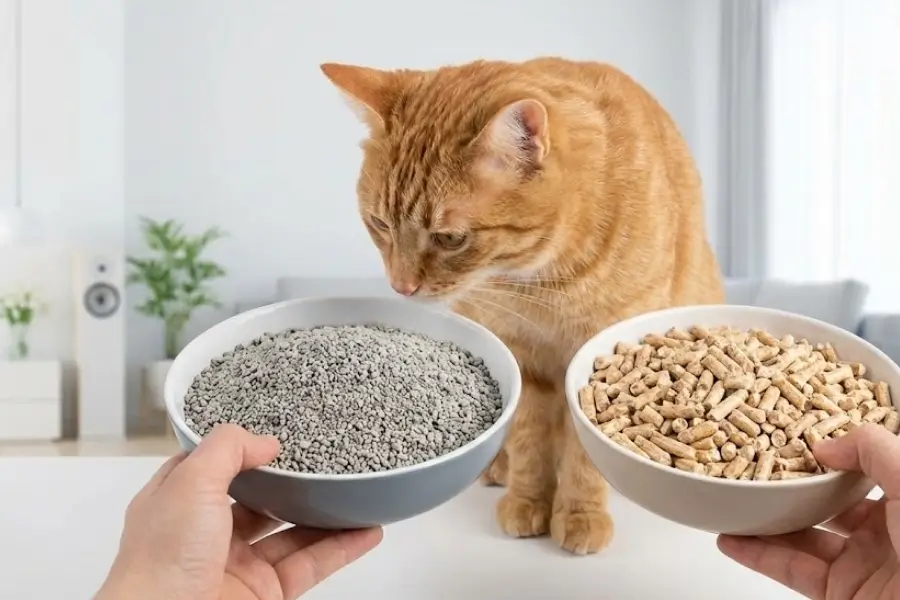
Choosing the right cat litter is a crucial part of being a cat owner. It affects not only your home’s cleanliness and odor levels but also your cat’s health and happiness. The right choice depends on a variety of factors, including your cat’s preferences, your budget, and your tolerance for dust and tracking.
Types of Cat Litter: A Breakdown
The first step is understanding the different materials available.
– Clay Litter: The most common type. Clumping clay forms hard clumps for easy scooping, offering good odor control but potentially being dusty. Non-clumping clay is less expensive but requires more frequent full changes.
– Silica Gel Litter: Often called “crystal” litter, these beads absorb urine and trap odors very effectively. They are lightweight and low-dust but can be more expensive.
– Natural Litter: Made from plant-based materials and often biodegradable. This includes pine/wood pellets, corn, wheat, or walnut shells. These are generally low-dust and environmentally friendly, but some cats dislike the texture or scent.
Key Factors to Consider
When choosing a litter, consider both your needs and your cat’s preferences.
– Odor Control: This is a top priority for most owners. Clumping clay and silica gel are generally the most effective options.
– Clumping vs. Non-Clumping: Clumping is easier for daily maintenance. Non-clumping requires less scooping but more frequent full litter changes.
– Tracking: This refers to how much litter sticks to your cat’s paws. Larger pellets or crystals often track less than fine clay.
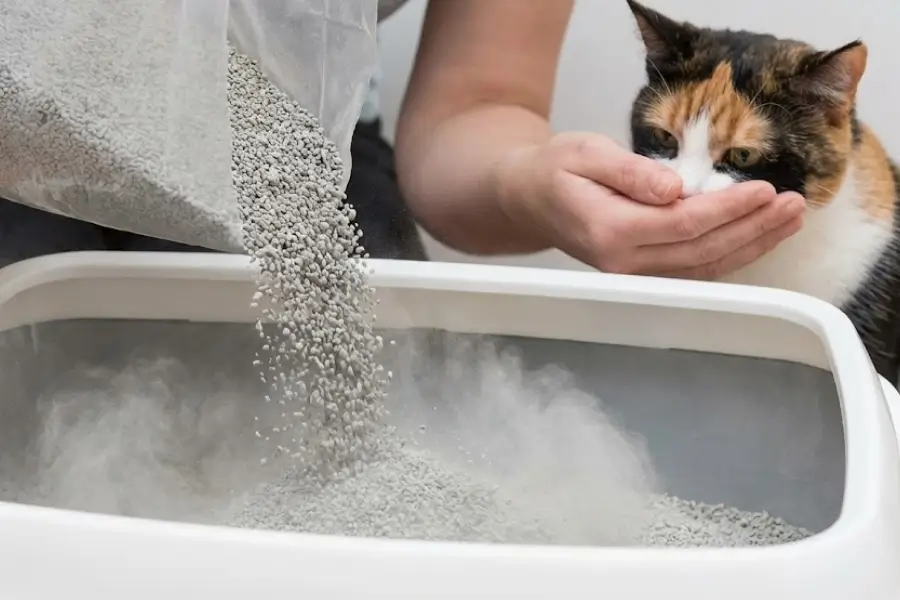
– The Dust Factor: Dust can irritate respiratory systems for both you and your cat. Look for “low-dust” or “dust-free” labels, or consider natural options.
– Your Cat’s Preference: Cats can be picky about texture and scent. If they don’t like the litter, they won’t use the box.
Making the Final Decision
Finding the perfect litter may require some trial and error.
– Gradual Switching: If you switch litters, do so gradually by mixing the new litter with the old one over a week or two.
– Observe Behavior: If your cat seems reluctant to enter the box, or eliminates outside the box, they may be signaling their dislike of the current litter.
Conclusion
By considering the factors of odor control, texture, dust, and clumping ability, you can find a product that is both convenient for you and comfortable for your cat, ensuring a clean and happy household.












0 Comments